
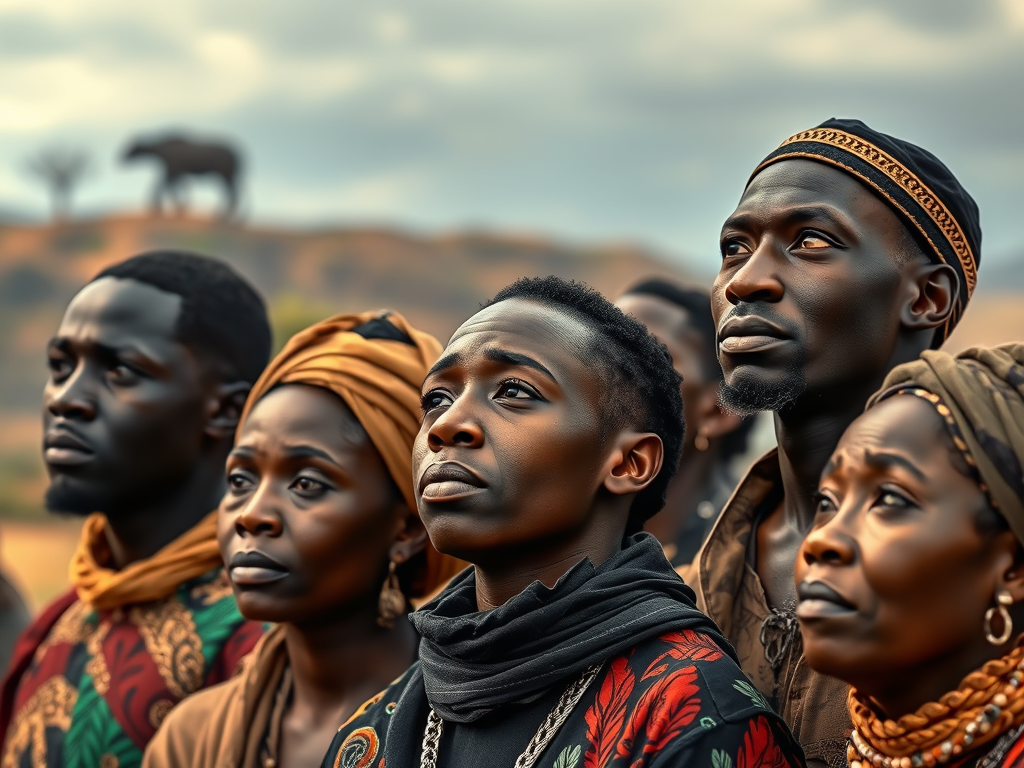
Last month for Black History Month, I had the opportunity to remember and honor those that came before us; our Ancestors. It was a well-received task by students, faculty and staff. I must say I enjoyed it and got a lot of satisfaction and joy out of just educating others on my history, the untold history of Africans, turned slaves, turned African Americans.
There was so much to say and so many to recognize that 28 days just did not seem like enough. I really did run out of time. There were many more Ancestors that I wish I could have spoken on, but in the United States, African American History or “Black History Month” is “celebrated” on the shortest month of the year … February.
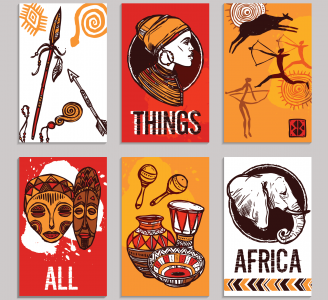
Because I love my roots and I have so much more to learn about Africa, African people, the continent itself, I decided to blog about it. Thus this blog … All Things Africa.; The Journey.
I would never narrow Africa down to one area or topic being that it is a vast continent with so much to offer. So much more than we even know. I want to know … I want to learn … and in the process I will always invite those that have eyes to see and ears to hear all that I learn about my homeland, our homeland … AFRICA. Let’s get into it.
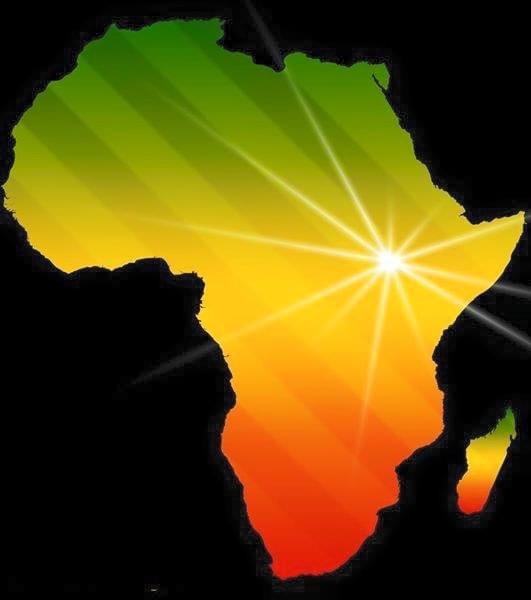
The way African Americans view Africa is complex and varies widely depending on personal experiences, education, upbringing, and exposure to African cultures. However, there are a few broad perspectives that many African Americans share.
Cultural Pride & Connection – Many African Americans see Africa as their ancestral homeland and take pride in its rich history, cultures, and achievements. They may embrace African traditions, fashion, names, and spirituality as a way to reconnect with their heritage.
Curiosity & Exploration – Some African Americans have a deep curiosity about Africa and seek to learn more about its diverse cultures, histories, and current realities. This has led to increased tourism, DNA ancestry testing, and even repatriation movements.
Romanticized Views – Aha! Now this is one that I often get accused of doing and maybe rightfully so. Some hold an idealized vision of Africa as a land of kings, queens, and great civilizations like Mali, Ghana, and Kemet (ancient Egypt). These views often focus on pre-colonial Africa and emphasize African excellence.
Disconnection & Indifference – Now this point is real! Due to centuries of separation, some African Americans may feel little to no connection to Africa, seeing themselves as entirely American. Misinformation and stereotypes about Africa may also contribute to a lack of interest. That being said, I encourage all those in the diaspora to dig deep. Listen to your intuition as it will guide you on your journey to find not only “self,” but the origins of your soul. I guarantee you that when you do this, it will lead to that place that you originated because as the saying goes, we don’t where we are going, until we figure out from whence, we came. Oh, yes, we can “look like” we are on the road to success, but where really are we going? That is a journey that we individually have to work out and as a people have to reconcile.
Frustration with Stereotypes – Some are frustrated by how Africa is often portrayed in the media, primarily as a place of poverty, war, and disease, rather than a continent with thriving cities, economies, and cultures. Don’t believe the hype. “Hype” comes from the word “hyperbole,” which means exaggerated statements or claims. It’s often associated with marketing, media, or propaganda.
Desire for Unity & Pan-Africanism – Many embrace Pan-Africanism, believing in solidarity between African Americans and Africans on the continent and many do not. They may engage in business, cultural exchanges, and activism to strengthen these ties.
Mixed Feelings About Reception from Africans – While some African Americans feel a strong bond with Africa, others report mixed or negative experiences when visiting, feeling either warmly welcomed or seen as outsiders. Some also believe that Africans do not always understand the struggles African Americans have faced in the U.S.

Overall and in conclusion, I just want black people around the world to love who they are and embrace their African heritage. African American views on Africa are not monolithic—some feel deeply connected, some indifferent, and others are in a process of learning and discovery. The perception is shaped by history, education, personal experiences, and the evolving relationship between African Americans and the African continent.
We are a beautiful people and we come from a very rich background. That history has been challenged and many would like for it to just go away and vanish, but I along with others and the powers that be will not let that happen. The true story, the real story, the story of Africa and its people will and must be told. We have generations coming after us that need to know for a fact who they are and from whom they come from. They need to know that they come from a very rich culture, strong people physically, mentally and spiritually. They need to know that they come from the most intelligent people on earth. They need to know that they don’t know where they are going until they expose where they come from. They need to know that who they are, many have tried to erase them, but it will never happen. You see, God created African people who are the beginning of civilization. All men and women come from Africa and its people. Africa is the Mother of the Earth and there is nothing that anyone can do to change that … it is a fact. But as black people we have to learn to embrace our beginnings and be proud of our beginnings because there would be no “them” without “us.”
Demetra “Afua”
I am Demetra Graham Driskell, an African woman born and raised in the United States of America. I have a Bachelor of Science degree in Psychology. I have worked in the field of Social Services for over twenty-five years. I am also a high school African American History Teacher in the State of Florida. I am a mother of three young adults, a grandmother of two precious Granddaughters and now a Blogger. I dream of sharing my story and personal journey to the continent of Africa. I want to present it raw and uncut for those in the diaspora who have eyes to see, ears to hear, and a mind to absorb the truth about this massive continent. Innately, I know this story must be documented from beginning to end. And so, as I like to say, the journey begins.
If you are interested in taking this journey with me and others, please email contact.allthingsafrica@gmail.com. Moreover, follow my blog for all updated information on education about the continent of Africa. Let’s reconnect with the continent together.
 ALL THINGS AFRICA; THE JOURNEY